Examining Team Coordination Mechanisms in Web-Based Multiplayer Games That Integrate Action, Strategy, and Exploration Genres
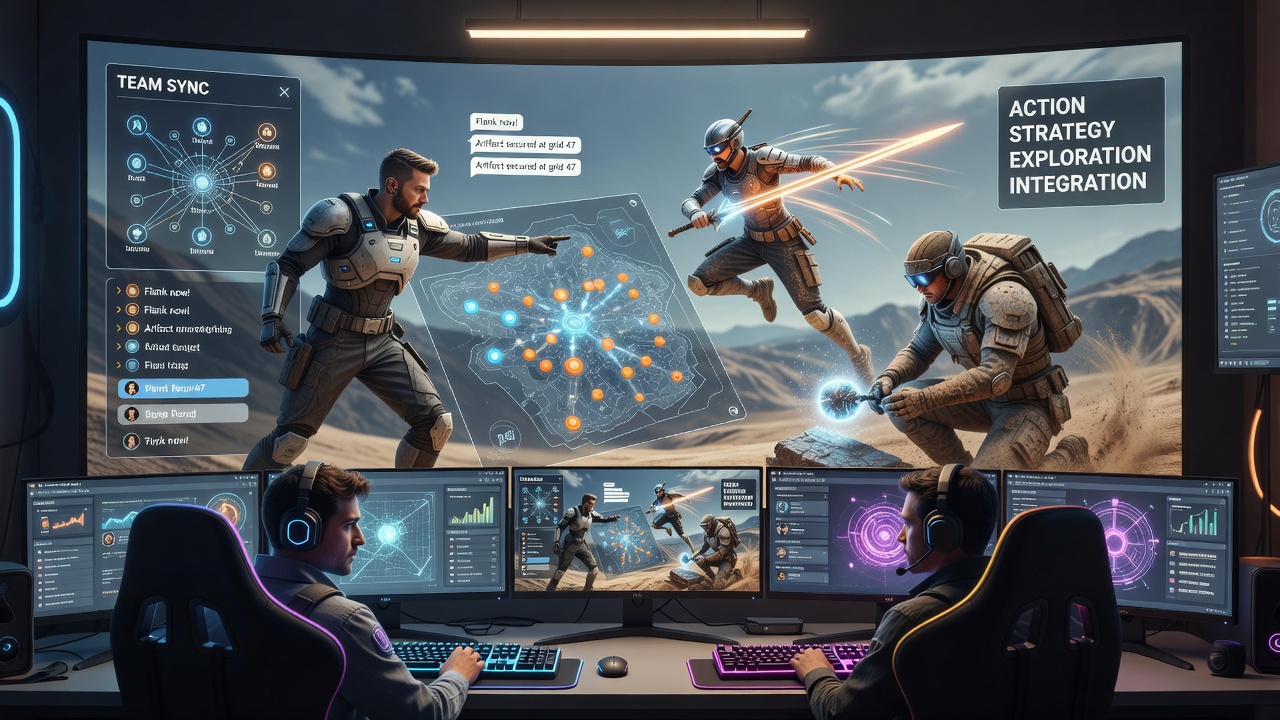
Web-based multiplayer games that blend action sequences with strategic planning and open exploration require players to align their movements and decisions across multiple layers of gameplay at once. These environments operate through browser platforms that support real-time data exchange without local installations, allowing participants to join sessions from varied devices. Data from industry reports shows that synchronization occurs via integrated voice channels, shared visual overlays, and automated status indicators that update positions and objectives continuously.
Core Mechanisms Supporting Coordinated Play
Team coordination begins with role assignment systems that distribute tasks such as navigation, resource gathering, and combat engagement among participants. In these setups, action elements demand immediate responses to dynamic threats, while strategy components involve selecting paths through contested areas and exploration phases require mapping unknown regions collectively. According to figures from the Entertainment Software Association, participation in mixed-genre titles has grown steadily, with coordination tools cited as a primary factor in session retention rates across North American markets.
Communication protocols in these games combine text overlays with positional pings that mark locations on a shared map. Players execute maneuvers where one member scouts ahead during exploration, another calculates optimal routes using strategic overlays, and remaining teammates handle reactive combat sequences. This division reduces overlap in responsibilities and maintains momentum when environments shift rapidly. Studies from academic institutions in Canada indicate that groups using combined verbal and visual signals complete joint objectives 35 percent faster than those relying on single-channel methods.
Real-Time Data Sharing and Decision Alignment
Browser architectures facilitate live updates through server-side processing that tracks individual inputs and broadcasts changes to all connected users. When an exploration team uncovers new terrain, the information appears instantly on allied interfaces, prompting adjustments in strategy such as reallocating forces or altering movement formations. Action phases then integrate these updates as players respond to emerging obstacles while maintaining formation integrity. Research compiled by the Interactive Games and Entertainment Association in Australia highlights that platforms with low-latency synchronization report higher rates of successful group completions in blended genre scenarios.
One documented pattern involves sequential choice processes where initial exploration reveals data that informs subsequent strategic decisions, which in turn trigger coordinated action responses. For instance, a team might identify a resource node during scouting, vote on extraction priorities through in-game polling tools, and then execute timed assaults on guarding entities. Such sequences demonstrate how web platforms reduce setup barriers while preserving the depth needed for complex interactions.
Patterns Observed Across Player Groups
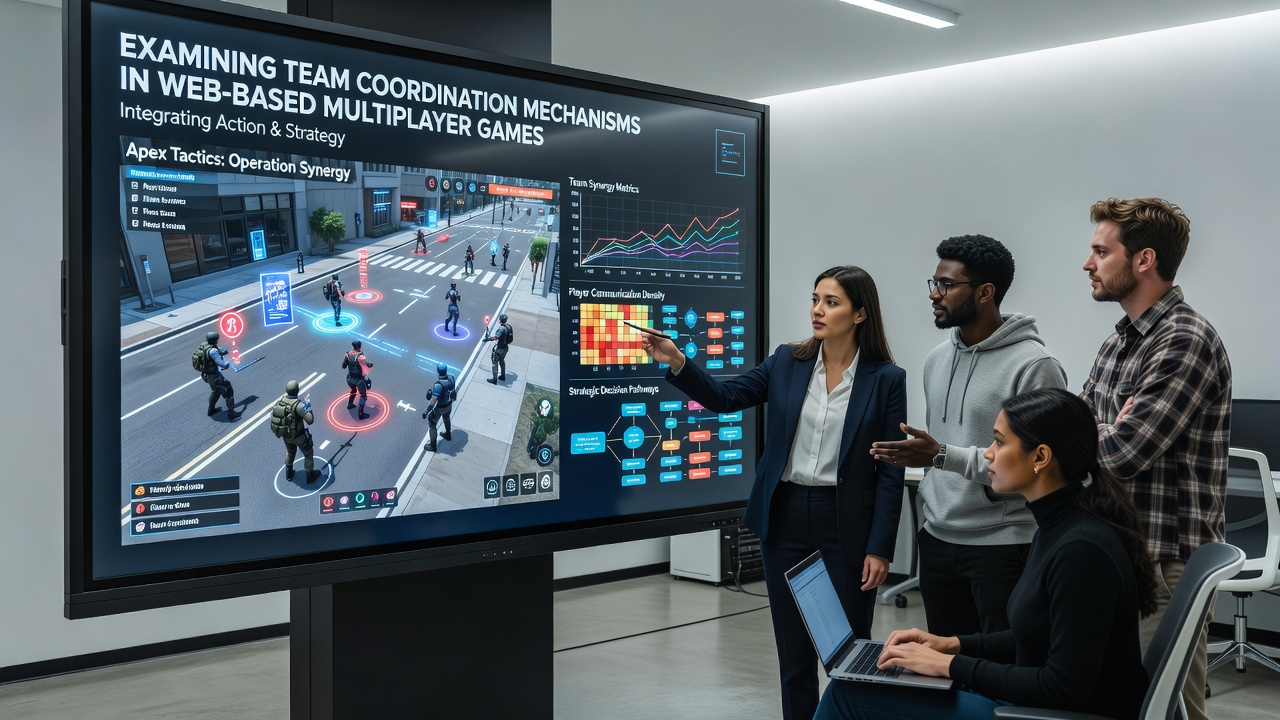
Observers note recurring structures in how teams manage information flow during extended sessions. Groups frequently establish informal hierarchies where experienced members direct exploration routes while novices handle supporting action roles. Data indicates these arrangements adapt dynamically as new challenges arise, with leadership shifting based on immediate needs rather than fixed assignments. European Union reports on digital entertainment usage from 2025 document similar adaptive behaviors in cross-border multiplayer environments hosted on web infrastructure.
Exploration phases often serve as planning intervals during which participants review collected data and simulate potential outcomes through built-in preview functions. Strategy elements then guide resource allocation before action sequences test the viability of chosen approaches. This cyclical process repeats across multiple zones, with coordination reinforced by persistent session states that carry progress forward without requiring restarts.
Technical Foundations Enabling Integration
Web standards such as WebSocket protocols and canvas rendering support the simultaneous display of action feedback, strategic maps, and exploration logs. These technologies allow teams to maintain awareness of distant teammates while focusing on local tasks, a capability that strengthens overall group performance in mixed-genre titles. Industry analyses reveal that titles leveraging these standards experience fewer desynchronization events compared to earlier browser implementations.
Additional features include automated conflict resolution systems that prioritize inputs during high-intensity moments, preventing contradictory commands from disrupting team plans. When exploration uncovers multiple paths, the system highlights consensus options derived from majority inputs, streamlining strategic choices ahead of action execution.
Conclusion
Web-based multiplayer games integrating action, strategy, and exploration rely on layered coordination mechanisms that align individual actions with collective goals through continuous data exchange and adaptive role distribution. Evidence from multiple regional sources confirms that these systems enhance group effectiveness by supporting rapid information sharing and decision alignment across diverse play styles. As platforms continue to refine synchronization capabilities, the patterns of team interaction in such environments remain a central focus for developers and researchers tracking digital entertainment trends.